
The kitchen is undeniably the beating heart of the modern home, and renovating your kitchen is a wonderful way to enhance your lifestyle and create a space to enjoy spending time. However, updating your kitchen isn’t just a chance to elevate cooking, socialising, and relaxing. It’s also a great opportunity to make your home more efficient. From investing in the latest appliances to upgrading your lighting, a new kitchen could help you knock money off your energy bill and reduce your impact on the environment. Below are some of our top energy-saving tips.
Invest In Efficient Appliances
According to the Energy Saving Trust, cooking typically accounts for 13.8% of our electricity consumption. Cooling and freezing require around 16.8%, and dishwashers and washing machines use a further 10%. So, with kitchen appliances contributing to around 40% of our household electricity bills, investing in more efficient models could certainly save you money and reduce the amount of energy your kitchen consumes.
Increased demand and advancements in technology mean the latest appliances tend to be much more efficient than older models. The easiest way to check the efficiency of an appliance is by looking at the energy label. The energy label provides a simple rating ranging from A to G, with A being the most efficient.
While the energy rating is a good place to start, energy consumption is the best thing to look for. This will be shown in kilowatt-hours (kWh). The reason for this is that larger appliances will generally require more energy to run despite being technically just as efficient. If you’re hoping to reduce your energy consumption, you’ll want to choose the correct size of appliance for your needs — the smaller the appliance, the less energy it will use.
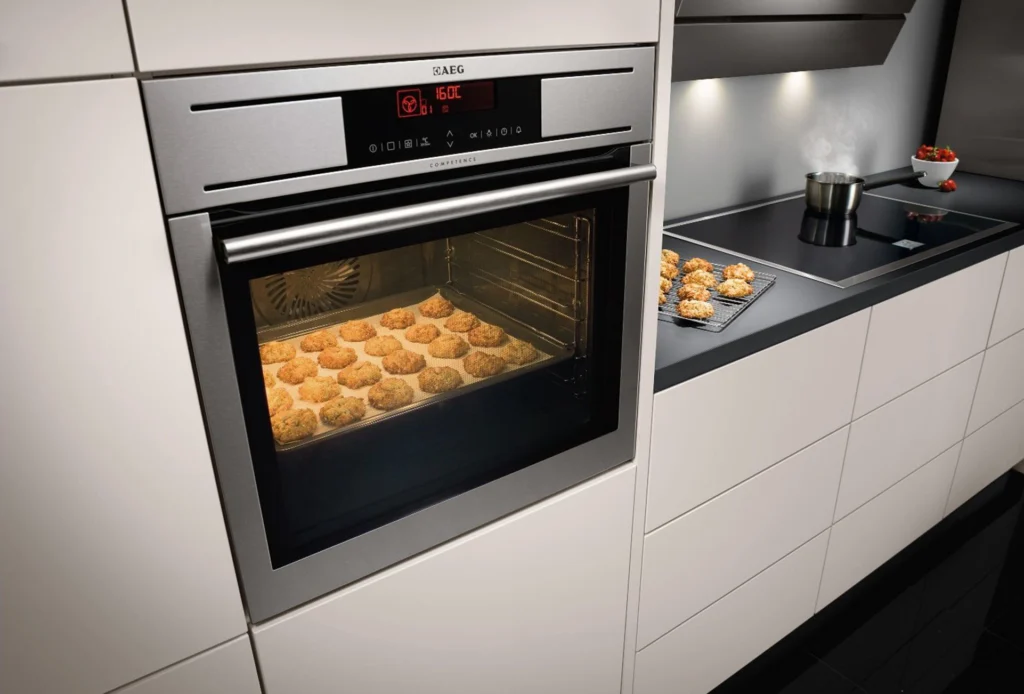
Consider Choosing Smart Appliances
As well as making your life much easier, the latest smart appliances could help reduce your energy consumption. From cooker hoods that adapt to what you’re cooking to freezers that let you know when they need defrosting and washing machines you can control from your phone, the latest smart appliances include plenty of features to help your kitchen function more efficiently. Automating certain tasks and managing your home remotely could help you conserve energy. It can prevent annoying situations like having to rewash clothes because they’ve been left in the drum or accidentally leaving the oven on once you’ve finished cooking!
Energy Saving Tips
Here are some other energy-saving tips you can use in the kitchen to help you reduce your household bills.
- Don’t leave appliances on standby.
- Wait until your dishwasher/washing machine is full before running a cycle.
- The latest ovens get up to temperature very quickly, so unless you’re baking a cake, you don’t need to preheat your oven, just pop your food straight in. And since many of the latest models come with temperature probes, you needn’t risk serving under or overcooked meat.
- Cover your pots and pans while cooking.
- Try batch cooking. Cooking larger meals and freezing leftovers or preparing multiple meals to reheat later in the week is an excellent way to make the most of running your oven.
- Heat food in your microwave where possible, as they use much less energy than your hob.
- Regularly defrost your freezer – or invest in a brilliant new frost-free fridge freezer!
Switch To LED Lighting
An easy way to make your new kitchen more efficient is to switch to LED lighting. LED bulbs use 90% less energy than traditional incandescent/halogen bulbs. Studies show that switching all the bulbs in your home to LED could knock up to £400 a year off your energy bill.

Consider Other Property Upgrades
Renovating your kitchen is the perfect opportunity to look at other ways to make your home more efficient. Whether you are undertaking an extension or simply reconfiguring an existing space, you will likely need some work doing, so it shouldn’t be too tricky to organise a few additional upgrades. The company overseeing your project may even be able to support you with some elements.
Install Draught-Proofing
Draught-proofing is a cost-effective way to save energy and money on heating. It involves sealing around windows, doors, floors, and skirting boards, leaving you with a more comfortable home. On average, professional draught-proofing only costs around £240 while offering a saving of £125 a year.
If you don’t already have double glazing, it’s worth considering updating your doors and windows as part of your renovation project.

Insulate Your Home
It might seem obvious, but insulating your loft and cavity walls can make a big difference to your energy bills. According to the RCIS, insulating your loft could save you between £20 to £215 a year depending on whether you already have some insulation. Installing cavity wall insulation could save you around £245. The Energy Saving Trust advises that it should pay for itself within five years.
Upgrade Your Heating Controls
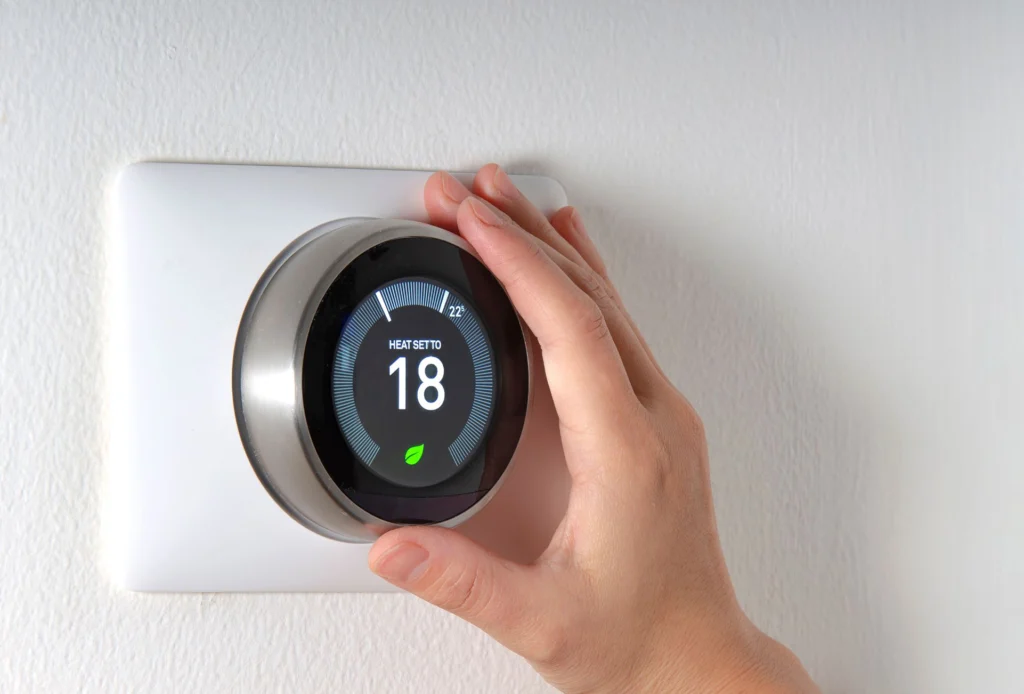
New, smarter heating controls make it easier to keep your home warm without wasting energy. There are lots of different options to upgrade your heating controls, including installing a smart thermostat, manual room thermostats, standard radiator TRVs, and smart TRVs. Most heating controls are designed to work with your existing boiler, so you don’t need to go to the cost of replacing it.
With soaring energy prices and dramatic increases in the cost of living, making your home as efficient as possible has never been more important. While investing in better insulation or upgrading your heating could save you money in the long run, you don’t necessarily need to make huge changes to reduce the energy consumption of your kitchen. Simply investing in more efficient appliances and switching your light bulbs to LED will definitely knock money off your household energy bills. And as an experienced team of independent kitchen specialists, we are perfectly placed to help you find the best appliances for your project. For more information, please give us a call on 0115 9308408 or email sales@orchardkitchens.co.uk.